

Built on a Rock-Solid Foundation
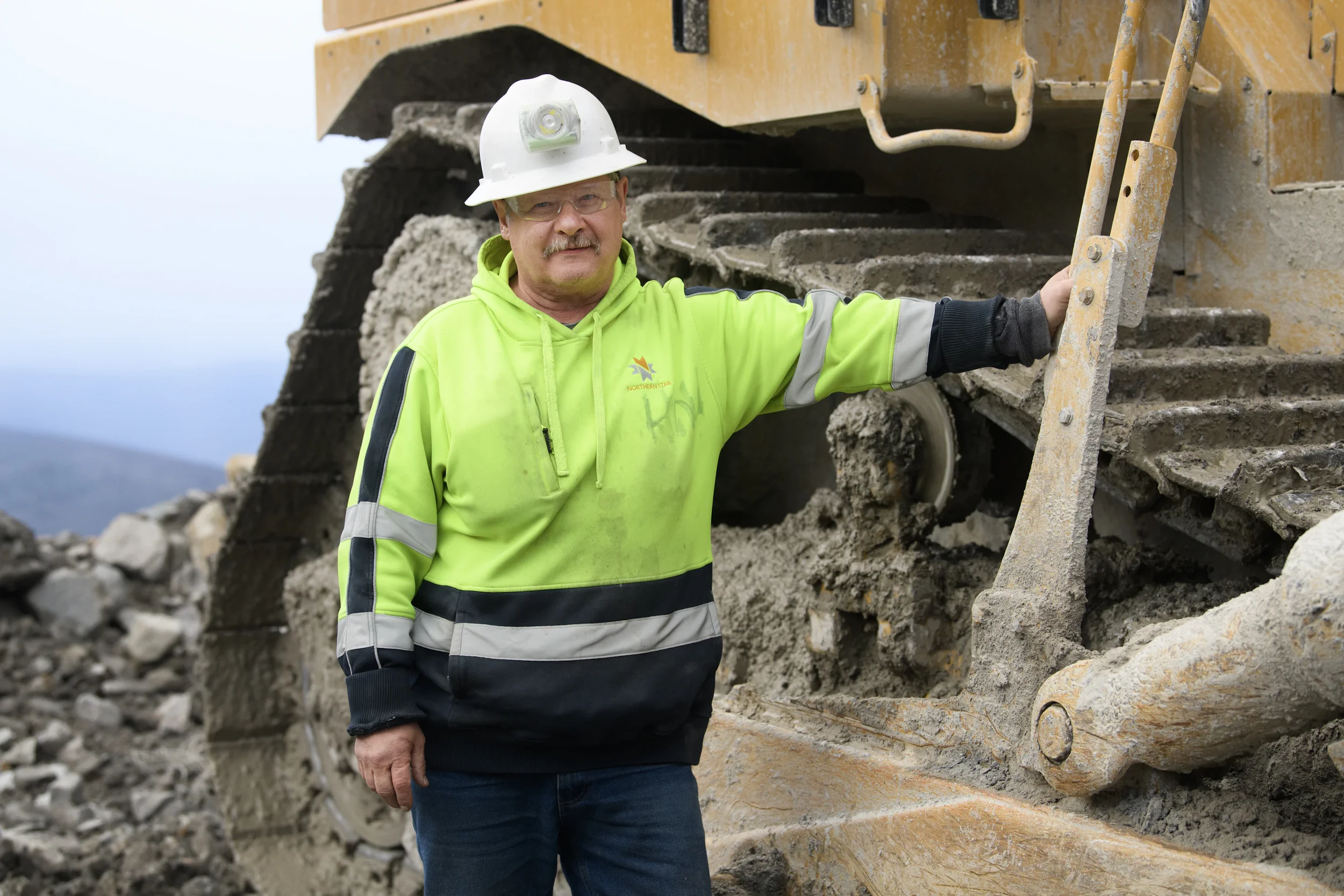
Leroy, Surface Equipment Operator, Pogo Mine
Leroy was just 15 years old when he left Washington State with his two uncles, chasing the same promise that had drawn thousands before them, the Trans-Alaska Pipeline. Though too young to work alongside them, watching his family pursue opportunity in the Last Frontier instilled in him a work ethic that would later define his career.
Several years later, in 1998, working for a construction company in the village of Healy Lake, an opportunity quite literally flew in. A helicopter carrying Japanese representatives from Sumitomo landed in Healy Lake seeking workers for a new project. Word spread quickly, and they hired several people, including Leroy, to start exploration for what would become Pogo Mine. This early recruitment demonstrated how local knowledge and community connections played a key role in staffing and establishing the operation.
Here From the Start
Long before there was a road, before the mill stood on its foundation, before the familiar blue tube stretched across the landscape, Leroy was there, assembling the pieces and laying out the groundwork. He was temporarily brought on with the exploration crew, living in a tent camp for four years. In the earliest days, everything had to be flown in. Leroy remembers unloading materials piece by piece from small aircraft, Cessna 206s and 207s, stacking supplies that would one day become the backbone of the operation. When weather grounded the planes, helicopters stepped in. With so many choppers on site for exploration drilling, they became the lifeline, ferrying people and equipment in and out of the site when conditions turned south.
The big equipment and heavy materials were hauled in on the ice road that stretched from Quartz Lake to the site. Leroy recalls those supplies being stockpiled for months, waiting for the bench, the massive foundation where the mill would eventually sit, to be completed. In 2000, he watched as the first portal, 1525, was driven into the hillside, marking the beginning of underground development. Between 2001 and 2003 he watched the bench take shape and was hired permanently.
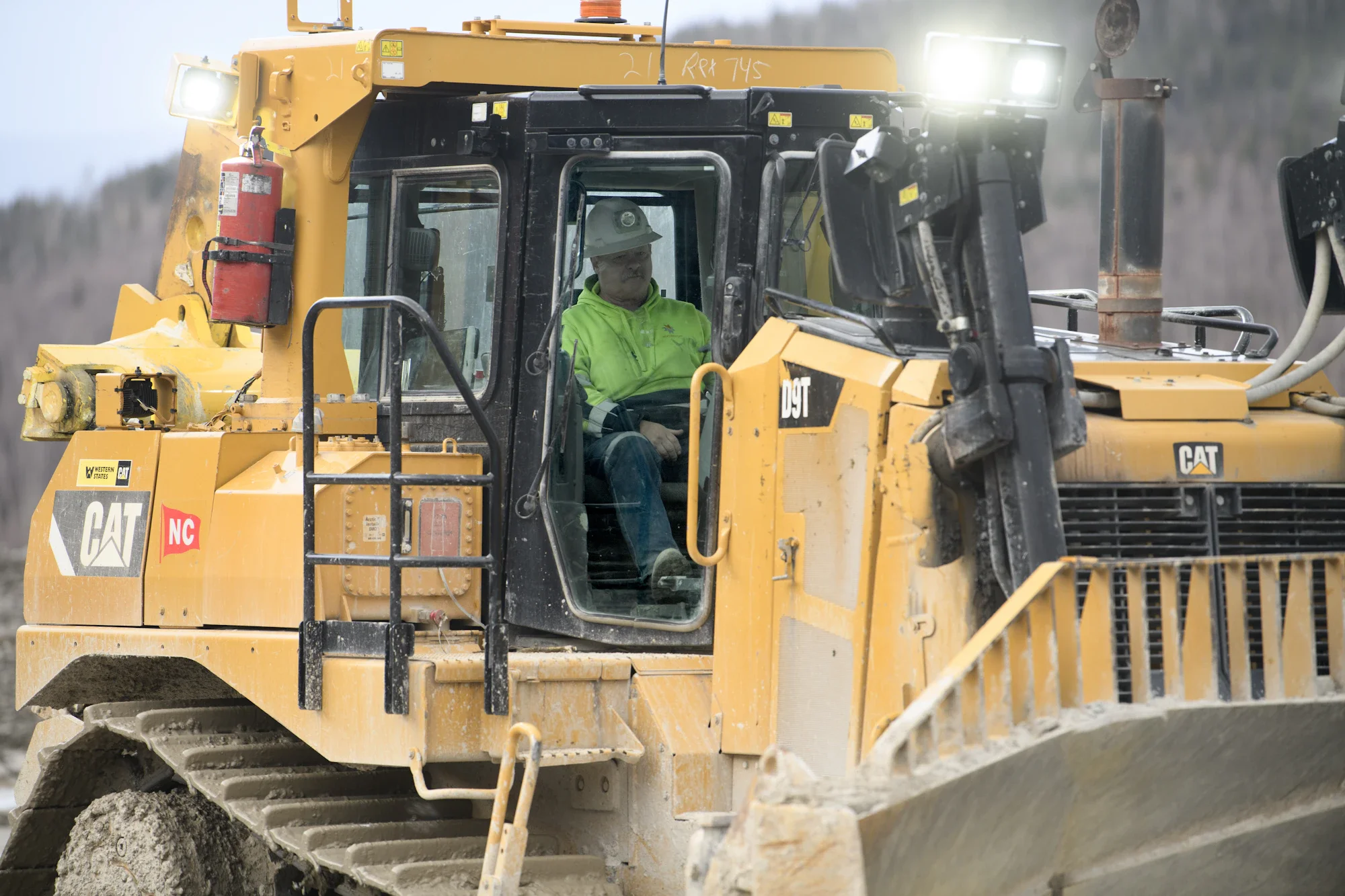
Until the mill rose in 2006. Leroy unloaded the very components that now define the operation. “I was here for everything’” he says. For Leroy, the most remarkable part isn’t just the scale of what stands at Pogo today; it’s knowing he helped put it there, piece by piece, from the ground up.
Why He Stayed
What started as a short-term exploration work based out of a tent camp, slowly became something more.
“It’s my home, mostly,” he says simply.
Leroy stayed because it was a good place to work and because of the people. The crew became like a family. He found purpose in operating surface equipment, running loaders, driving haul trucks, and handling whatever equipment the day required. Operating, he says, has always been fun. “If I didn’t like it, I wouldn’t still be here.”
The job hasn’t always been easy. Living in camp and being away while his kids were growing up was one of the hardest parts. But the steady work allowed him to support his family, provide stability, and eventually buy a home. For Leroy, that sacrifice carried meaning. “It’s done a lot for me and my family,” he says.
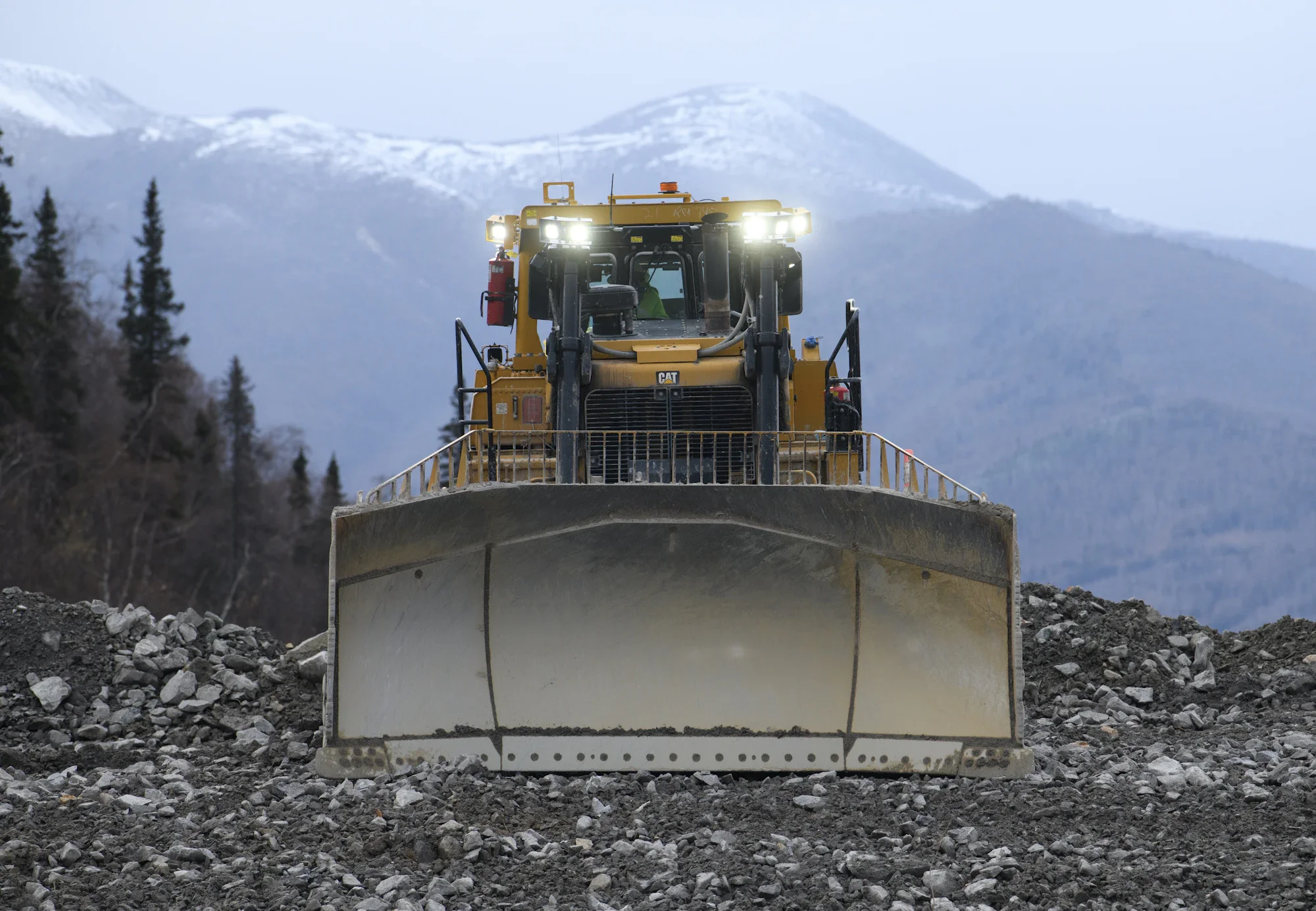
Leroy takes pride in the work itself, hard rock mining at scale, producing ounces of gold every day in a way most people don’t understand. “It’s not like those TV shows,” he explains. “We’re not out here placer mining. We live in a camp. We have a mill. It’s a robust operation.”
Built To Last
Now, after 20 years, Leroy helps train new operators, guiding them through task and safety training. He knows adjusting to camp life can be tough, being away from family, learning the rhythm of the schedule, and adapting to the environment. Leroy does what he can to keep morale up and make the job enjoyable, reminding the team to focus on the work, meet production goals, and above all, keep safety at the forefront.
For Leroy, doing the job well, looking out for the crew, and going home safe, is what has made Pogo the setting of a meaningful career for two decades.